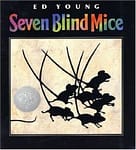
My daughter has a book by Ed Young called Seven Blind Mice that retells an old Indian fable about perception, reality, truth and the dangers of clinging to one’s own beliefs too tightly. In the book Mr. Young ends the fable with the moral of the story, that “Knowing in part may make a fine tale, but wisdom comes from seeing the whole.”
This fable is the jumping off point for an insightful post on UXMatters.com titled “The Psychologist’s View of UX Design” by Dr. Susan Weinschenk.
Dr. Weinschenk provides a snapshot of her own ‘description of the elephant’ that, despite it’s relatively short length, includes plenty of practical tips and ideas; here are (just a few) of my favorites:
- It is better to show people a little bit of information and let them choose if they want more details. The fancy term for this is progressive disclosure.
- People prefer short line lengths, but they read better with longer ones! It’s a conundrum, so decide whether preference or performance is more important in your case, but know that people are going to ask for things that actually aren’t best for them.
- People’s behavior is greatly affected by factors that they aren’t even aware of. The words “retired”, “Florida,” and “tired” can make even young people walk down the hall slower (called framing).