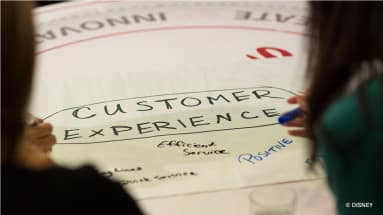
Here are three actions any organization can take to start moving its customer experience toward tip-top shape:
- Create an organizational common purpose. A common purpose is a succinct explanation of what you want the customer experience to be at an emotional level, and it is the essential foundation on which all other service decisions can be developed. It represents to all employees what you stand for and why you exist, and is your primary tool for getting everyone on the same page.
- Get to know your customers holistically. Your knowledge of the customer must extend far beyond the boundaries of traditional service criteria. Truly understanding their needs, wants, and emotions and the industry stereotypes is the key to creating personalized interactions. Listening posts provide a customer-centric tool that companies can use to assess the customer experience and immediately identify areas where customer expectations are (or are not) being met and exceeded.
- View exceptional service as an economic asset instead of an expense. Lifetime customer relationships are at stake, so the return on investment for providing consistently exceptional service clearly justifies the short-term cost.
Customer experience is about much more than just customer service. It is about fostering employee engagement. It is about truly understanding your customer, architecting a plan for delivering exceptional customer service, and then empowering employees to deliver it. It is about training leaders to reinforce the right behaviors that support exceptional customer experience. And finally, it is about discovering and acting on your organization’s areas of opportunity.